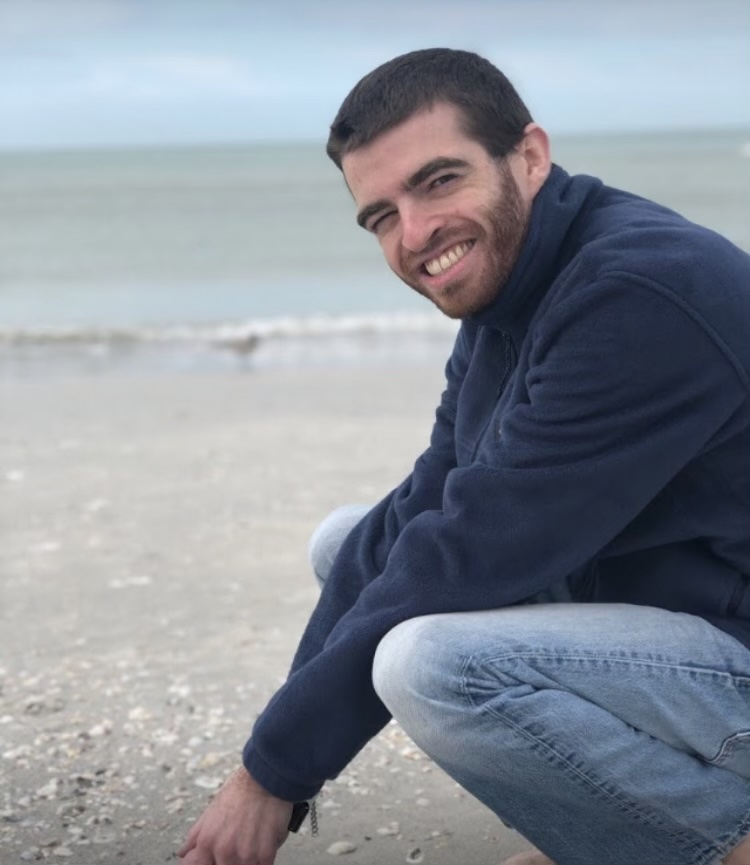
I didn't set out to become an applied researcher. My journey began at Cornell University, where, as a Tradition Scholar, I studied organizational behavior (OB) with the goal of becoming an industrial-organizational (IO) psychologist. Yet, my drive to achieve sustainability goals and my belief in the power of data and statistics to drive meaningful action ultimately reshaped my path.
A service trip to Haiti in 2013 was a turning point. I witnessed firsthand how inadequate waste management infrastructure — no dumpsters, garbage trucks, or recycling bins — creates a vicious cycle: littering, illegal dumping, and open burning lead to crime, environmental degradation, and air, soil, and water pollution. The data was clear: island nations face losses of nearly $2.5 billion annually if we fail to overhaul the outdated make-take-waste model. That experience ignited my interest in data science and taught me that environmental problems are not just technical or moral problems; they are measurement, infrastructure, behavior, and policy problems.
Inspired by that work, I earned a master's degree in sustainability management from Stevens Institute of Technology. As a Provost Master's Scholar, I was recognized for leadership and received the best individual capstone project award. In graduate school, I began using R for statistical analysis on sustainability research that led to a peer-reviewed publication. I later expanded into the command line, Git, and Python through 100 Days of Code, building the technical foundation for applied research, data visualization, and data-driven applications.
Published a 7-page report on sustainability aptitude at Stevens Institute of Technology by designing, distributing, and analyzing a campus-wide survey, then recommending best practices for improving student environmental education.
Visualized how well students incorporated sustainability into engineering capstone design projects by comparing sustainability assessment grades against final project grades, then presented findings at a peer conference (R and Markdown).
Analyzed PetMind sales data to identify product repurchase patterns, evaluate whether repeatedly purchased products performed better in sales, and recommend product opportunities for a monthly pet box subscription.
Evaluated sales tactics for Pens and Partners by analyzing customer engagement, revenue distribution, and revenue trends over time to recommend which sales methods the company should prioritize.
Built an interactive dashboard providing a global snapshot of LGBTQ+ rights by visualizing publicly available legal and social indicators in Streamlit (Python).
I love to bike, learn, volunteer, swim, and spend time with friends — all the things you'd expect from someone who also likes to tinker on a computer.
I write regularly on civic issues, food waste, recycling, startups, and whatever else I have an insight on.
I also build software and data projects for fun. Browse a few samples on my GitHub.